

Autumn is one of the most enchanting seasons of the year, when golden and orange leaves transform the landscape. However, for gardening enthusiasts, it is also the time when plants require extra care.
+ Landscaping trends gardeners want to see disappear
That’s because pruning certain plants in autumn can compromise their blooming, their winter resistance, and even their long-term vitality.
If you want to ensure a beautiful and lively garden in spring, check out 8 plants that should not be pruned in autumn.
1. Hydrangeas (Hydrangea)
Hydrangeas are known for their voluminous and colorful flowers. Many varieties already form buds at the end of summer and the beginning of autumn. Cutting them during this time means losing the bloom of the following spring.
Tip: wait until late spring or early summer to prune.
2. Lilacs (Syringa)
With fragrant and delicate flowers, lilacs form shoots right after flowering. If pruned in autumn, these shoots are removed, disrupting the plant’s cycle.
Tip: prune right after flowering, still in spring.
3. Camellias (Camellia japonica)
Camellias begin to develop buds in autumn to bloom in winter and spring. Pruning during this period can interrupt this natural process.
Tip: wait until the end of flowering to make cuts and adjustments.
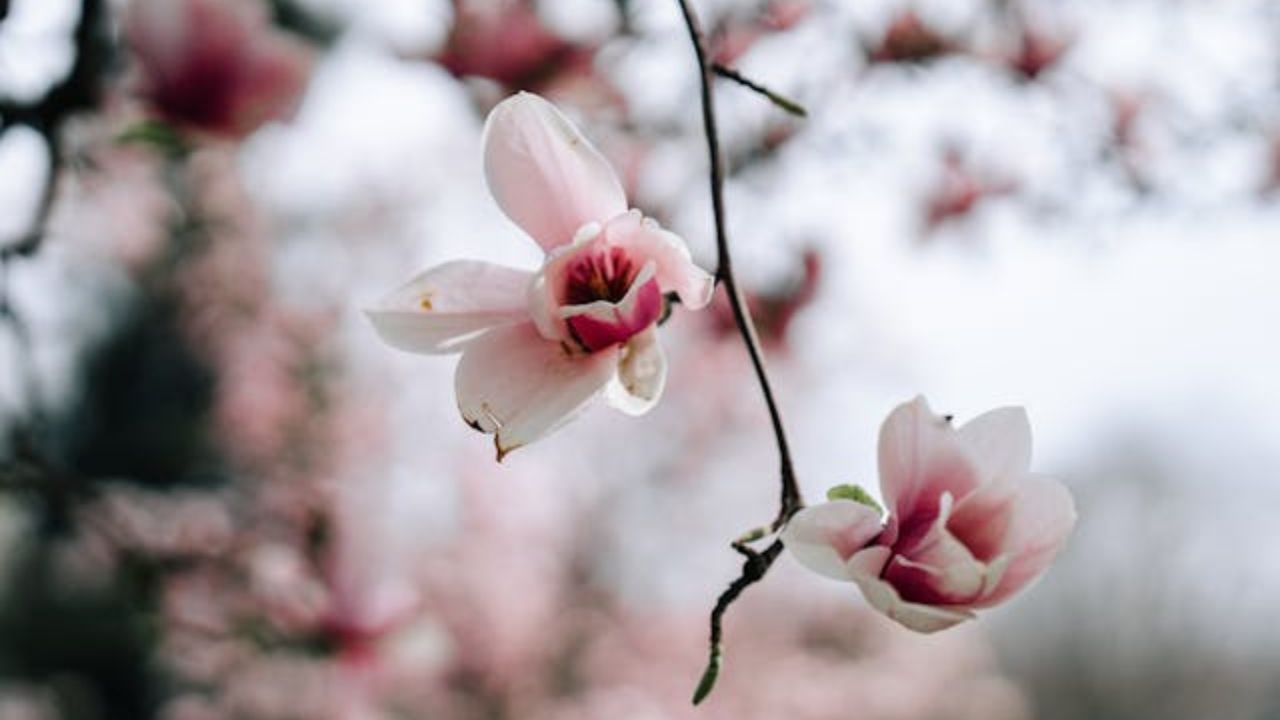
4. Magnolias (Magnolia)
Magnolias are highly appreciated ornamental trees, but also very sensitive. Pruning them in autumn weakens the plant and may compromise the following season’s bloom.
Tip: ideally, prune only after flowering, in late spring.
5. Climbing Roses (Climbing Roses)
Although pruning roses in autumn is common, climbing varieties need extra care. Cutting them now may remove branches that would bloom the following year.
Tip: prune at the end of winter or the beginning of spring.
6. Arborvitae (Thuja)
Commonly used in hedges, this conifer suffers when pruned in autumn, as new shoots cannot withstand cold temperatures.
Tip: prefer pruning in late spring or during summer.
7. Azaleas (Rhododendron)
Azaleas form buds right after flowering. If cut in autumn, these buds will be lost, compromising the plant’s beauty in the next season.
Tip: prune right after flowering, still in spring.
8. Clematis (some varieties)
Some clematis varieties form buds at the end of summer and beginning of autumn. Pruning during this stage removes the next spring’s flowers.
Tip: identify the variety and follow the proper pruning calendar, usually in spring.
Why not prune in autumn?
During autumn, many plants begin to enter dormancy, storing energy to survive the winter. Pruning during this time can:
- Stimulate fragile shoots that won’t withstand the cold;
- Remove buds that would bloom in spring;
- Weaken the plant during a delicate period.
For a healthy, vibrant, and flower-filled garden, it is essential to respect the natural cycle of plants. Hydrangeas, lilacs, camellias, magnolias, climbing roses, and other species should be spared from pruning in autumn. That way, in spring, the result will be a much more beautiful, balanced, and lively space.
This content was created with the help of AI and reviewed by the editorial team.
